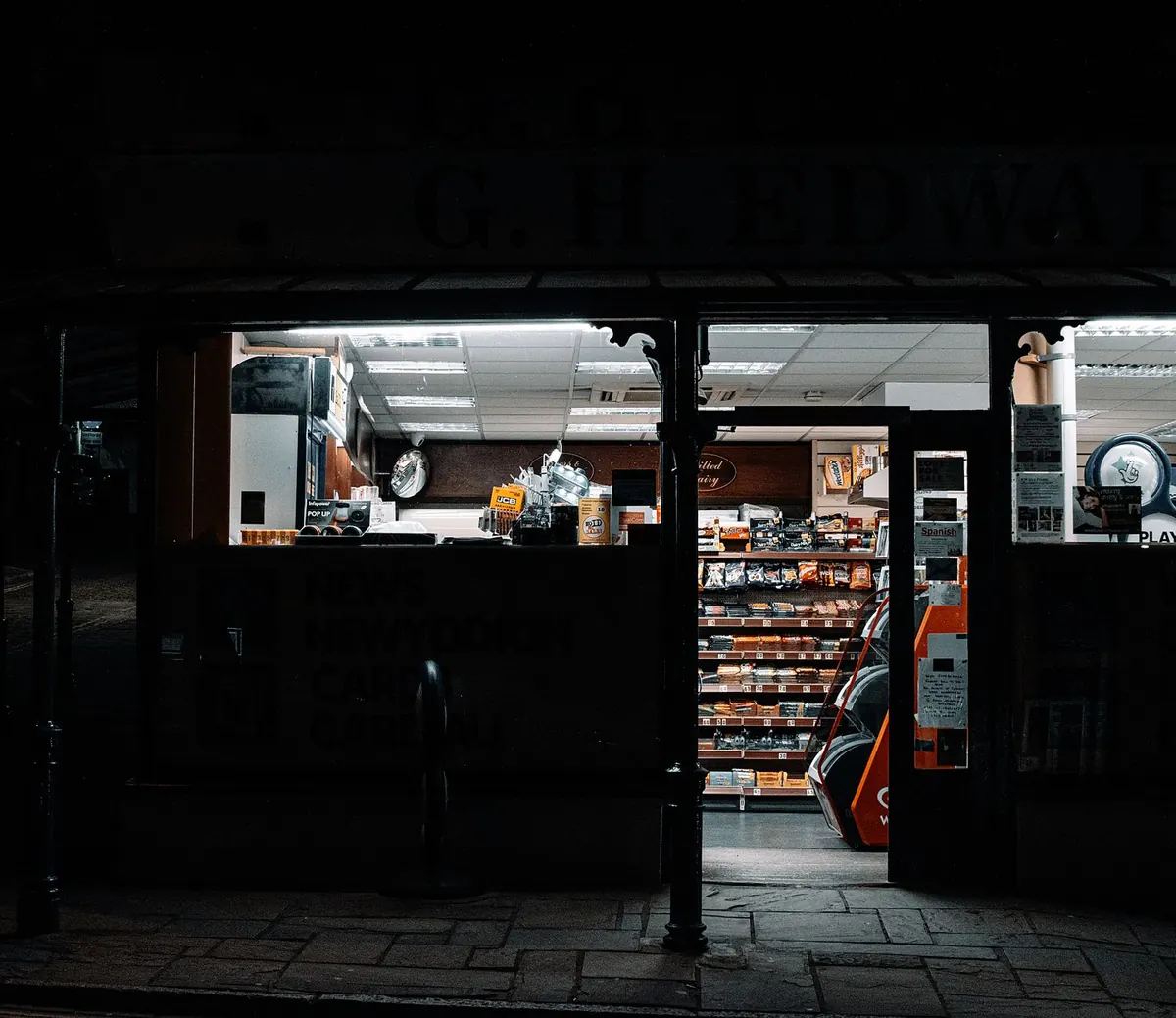
Same-Day Delivery Is Changing Store Layouts and Inventory: What Shoppers Should Know
October 05, 2026 - Industry News

October 02, 2026 - Shopping Tips
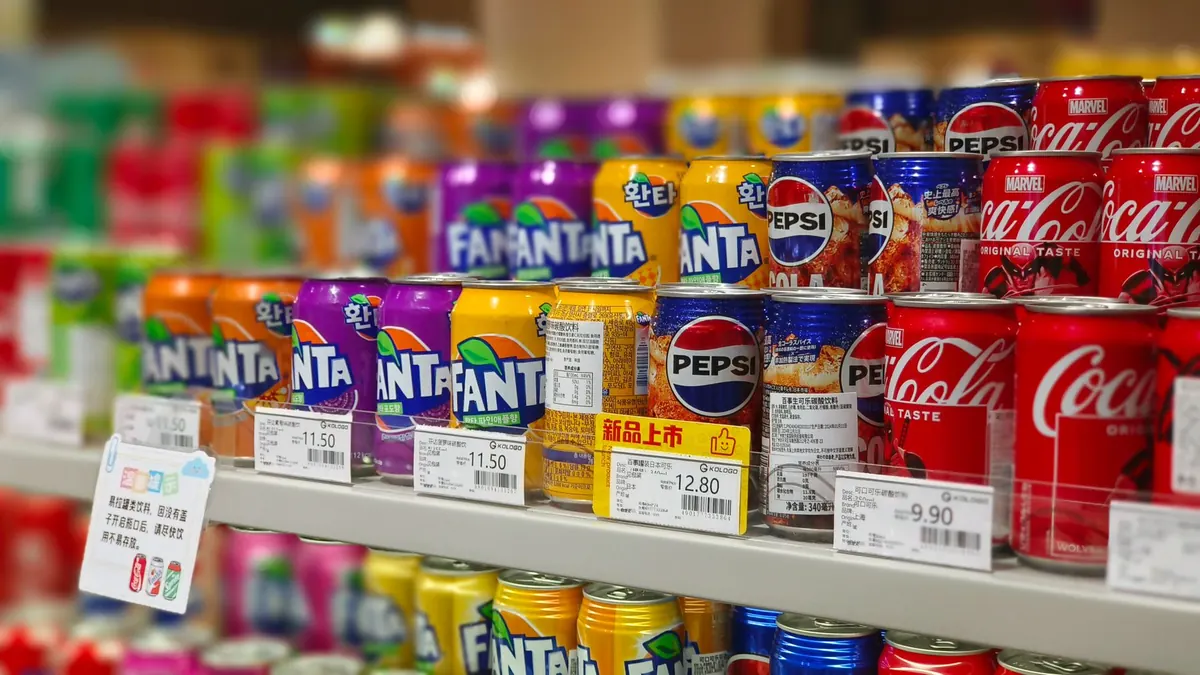
A price tag used to be a promise. You picked up a jar of peanut butter, checked the little paper label on the shelf edge, and knew exactly what you'd pay. That is no longer a safe assumption in many stores.
Prices now move by the hour, by the day, by how busy the aisle is, and sometimes by who is holding the phone. Here is how the machinery works, and what you can do about it.
Dynamic pricing means the price of an item changes with conditions: the time of day, how much stock is left, how busy the store is, whether you're buying in the aisle or ordering for delivery, and occasionally which customer is buying. Airlines and hotels have done this for decades. What's new in retail is speed and precision.
Stores have always marked things down. A deli clerk slapping half-price stickers on rotisserie chickens at eight in the evening is dynamic pricing at its most human. The difference now is that a central system can reprice hundreds of items across hundreds of stores in minutes, and the shelf labels update themselves. The price you saw last Tuesday tells you very little about the price today.
Electronic shelf labels are small battery-powered screens clipped to the shelf edge. Each is networked, so a change made at headquarters appears in the aisle within minutes. A label can show a promotional price, a unit price, a multi-buy offer, a countdown to the end of a sale, or a QR code that opens the product page in the store's app.
For shoppers, there are two sides to this. The good part is fewer mismatches between the shelf and the register, and fewer tags left behind during a price change. The harder part is memory. If you've filed away "$3.49" for your usual cereal, the screen may disagree next week.
Because labels are networked, a chain can also run different prices in different stores. A downtown location and a suburban one don't have to match. That's the same logic as a corner convenience store charging more than a warehouse club, but it means the price at your neighborhood branch is not guaranteed at the branch across town.
One habit worth building: treat the shelf label as information, not a contract. The number that counts is the one that rings up, so glance at the screen or your receipt at checkout.
This is the oldest form of dynamic pricing and still the most useful to shoppers. Bakeries mark down bread and pastries near closing. Meat and seafood counters discount what won't sell before the next delivery. Prepared foods, sushi, floral and cut fruit all tend to fall in price as the day wears on.
The schedule differs by store, department, and even by manager, so it pays to ask. "When do you usually mark down the rotisserie chickens?" is a normal question, and staff answer it all the time. Some shoppers learn that their store's bakery discounts land mid-morning while meat markdowns appear in the last hour before close.
Time-based pricing cuts both ways. Delivery and pickup windows are often priced by demand, so a Saturday evening slot can cost more than a Tuesday afternoon one. Happy hours at cafes and restaurants are the same idea aimed at filling quiet hours.
Keep it proportional. Driving across town at 9 p.m. to save four dollars on chicken is not a win. Time the trips you were already making.
Store apps have quietly become a second price list. Digital coupons usually have to be loaded before you reach the register, and no amount of charm at checkout will apply them afterward. Some items are cheaper only when ordered through the app. Scan-and-go features tally your basket as you shop, which lets you see the real total before you commit to a line. Location-based offers can appear when you're near or inside a store.
That convenience has a price, and the price is data. Purchase history, browsing, store visits and basket size all feed the system that decides which offers you see. Trading information for a discount is a reasonable deal as long as you make it knowingly.
Personalized pricing, where the same item shows a different price on a different account, is the frontier here. It's hard for a shopper to prove, and some places regulate it. If you suspect it, compare a price on your account with a household member's and try a logged-out view. A second account used only for coupons, tied to an email address you don't use for anything else, is a common workaround.
Photo: 乾 黄 / Pexels
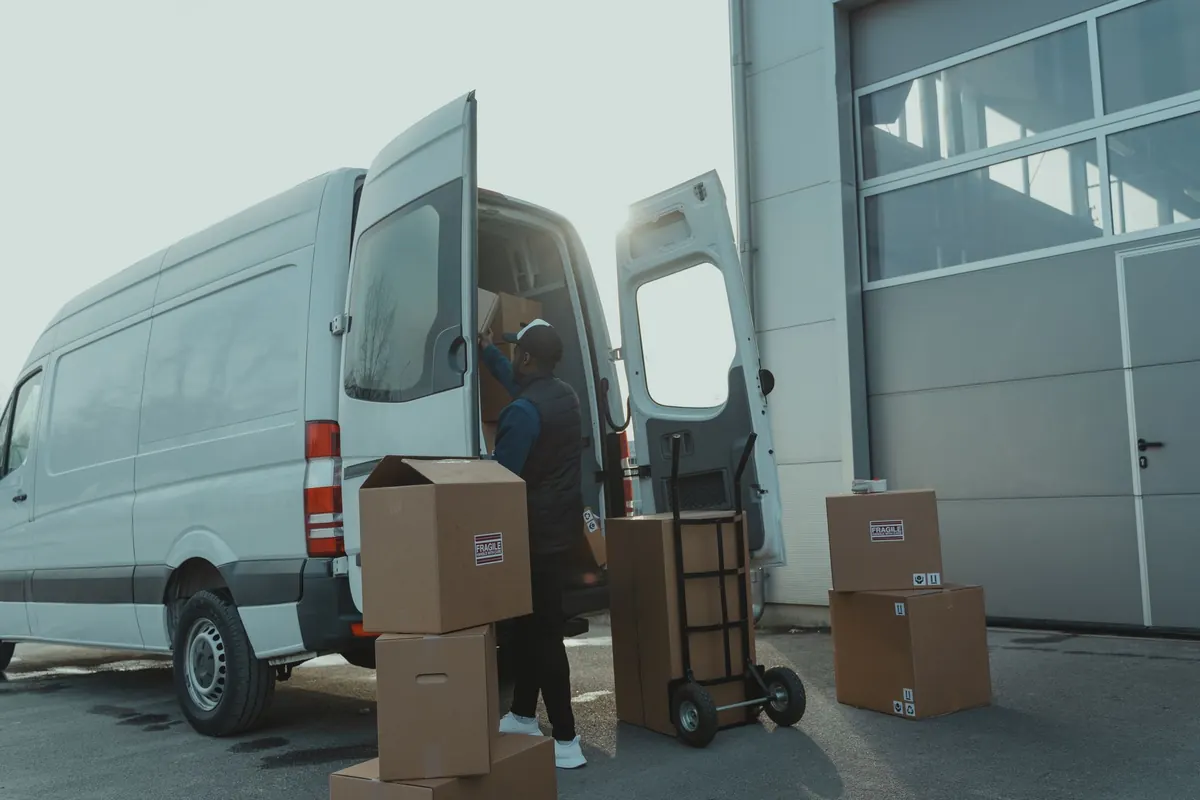
Retailers are remaking aisles, stockrooms, and pickup zones to fulfill same-day orders. Here’s how those changes...

A practical pre-purchase checklist for online furniture shopping, covering measurements, material jargon, delivery...
Copyright © 2026 Retail Dale. All Right Reserved.