Same-Day Delivery Is Changing Store Layouts and Inventory: What Shoppers Should Know
October 05, 2026 - Industry News

October 02, 2026 - Shopping Tips
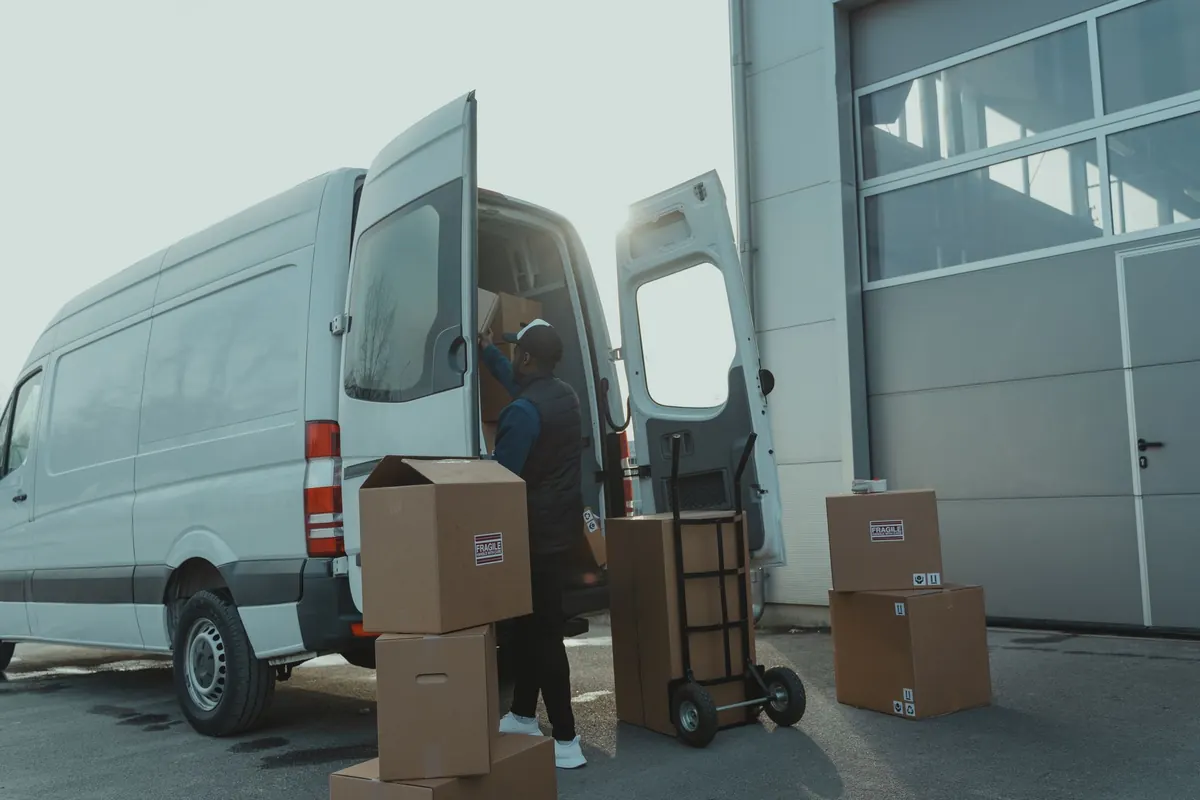
A trip to a familiar store can feel slightly off these days. The paper towels have moved. A worker with a handheld scanner and a cart of tote bags cuts across the aisle. Near the front, what used to be a seasonal display is now a row of shelving labeled for online pickup. Same-day delivery and curbside pickup are not just digital conveniences. They are rewriting the physical store, aisle by aisle and shelf by shelf. For shoppers, that means some habits need to change, too.
Retailers used to treat the store as a place to browse and the warehouse as a place to fulfill. Rapid online orders collapsed that division. When a customer expects an order within hours, the nearest store often becomes the fastest fulfillment center. An employee picks items from the same shelves shoppers walk past. That creates a tug-of-war. The floor must stay shoppable while also serving as a picking route. Stores solve this by adjusting layouts, adding technology, and setting aside space that once belonged to browsing or impulse buys. The result is a store that has to work like a small warehouse without losing the feel of a store. The changes are not always obvious, but they show up in where products live and how quickly they disappear.
If you notice that your usual route through the store no longer works, you are not imagining it. Retailers often move high-demand items to predictable locations so pickers can grab them fast. A popular snack, a phone charger, or a common cleaning product may end up near the front or along a main aisle, even if it once sat in a quieter part of the store. Shelf labels may include small location codes that mean little to shoppers but help employees scan and confirm the right item. Some stores narrow their assortment, keeping the top sellers and dropping slower movers. Others create dedicated online-order shelves or staging aisles that shoppers can see but are not meant to browse.
What shoppers may notice:
These shifts are practical, not personal. A store that can pick an order in minutes can also keep shelves stocked more consistently over time, though the transition can feel bumpy.
The back room used to be a place to store overstock and break down boxes. Now it often includes packing stations, label printers, bins for online orders, and a staging area sorted by pickup time or delivery route. Some retailers use vertical shelving or automated carousels to make the most of limited space. Others rely on simple bin locations and scanners. For shoppers, the biggest change is what the stockroom represents. A shelf may look empty, but the item might be in the back, reserved for an online order. Or an employee may be pulling from the same case that would normally be restocked on the floor. If you need something specific, it helps to ask. Staff can check whether an item is truly available or already promised to someone else.
When a store sells both in person and online, every unit is contested. A shopper standing in the aisle and a picker fulfilling a same-day order may want the last one. Retailers manage this with real-time inventory systems, but those systems are only as good as their data. Items get misplaced, stolen, or scanned incorrectly. That is why an app might say “in stock” while the shelf says otherwise. It is also why some stores hold back a small buffer of popular items for online orders.
The front of the store is changing fastest. Curbside parking spots, pickup lockers, and service counters are replacing impulse-buy racks and seasonal displays. Some retailers have added a dedicated pickup desk near the entrance. Others use a small counter inside the store or a set of lockers that customers can open with a code. In stores with high online volume, employees may stage orders on rolling racks near the door, ready to hand off. This can make the entrance feel busier and less decorative. It also changes the checkout experience. Self-checkout stations and mobile checkout often take space that once belonged to traditional lanes, while pickup customers bypass the line entirely.
How pickup usually works now:
The exact process varies by retailer, but the direction is consistent: the store entrance is now a fulfillment zone as much as a welcome mat.
Shoppers often assume that a store’s inventory is the same as what they see on the shelf. Same-day fulfillment breaks that assumption. A product can be in the building and still unavailable to you because it is already assigned to an online order. This is not a trick. It is a logical result of selling the same stock through multiple channels. The best defense is to check availability before you go, but check it with the right question in mind. “In stock” may mean “available to order online,” not “sitting on the shelf waiting for you.” If you need certainty, use pickup or delivery instead of hoping the aisle will have it. If you are already in the store, ask an employee to check the back or look up the item in their system. They can see whether it is reserved, in transit, or genuinely missing.
A few habits make the new store layout easier to handle.
Same-day delivery is not just a delivery option bolted onto the old retail model. It is reshaping the store itself, from where products sit to how employees move and where you collect what you bought. That can be frustrating when a favorite item moves or a shelf looks empty. It can also be useful when you learn to work with the system. Check inventory before you go. Use pickup when you need something specific. Ask for help when the shelf and the app disagree. The stores that serve you fastest are the ones that treat every aisle as part of a fulfillment network. Once you see that, the changes make more sense, even if the paper towels still refuse to stay put.
Photo: Tima Miroshnichenko / Pexels

A practical pre-purchase checklist for online furniture shopping, covering measurements, material jargon, delivery...
A practical guide to finding independent shops in your area, comparing their prices fairly against chains, and...
Copyright © 2026 Retail Dale. All Right Reserved.