Same-Day Delivery Is Changing Store Layouts and Inventory: What Shoppers Should Know
October 05, 2026 - Industry News


October 02, 2026 - Shopping Tips
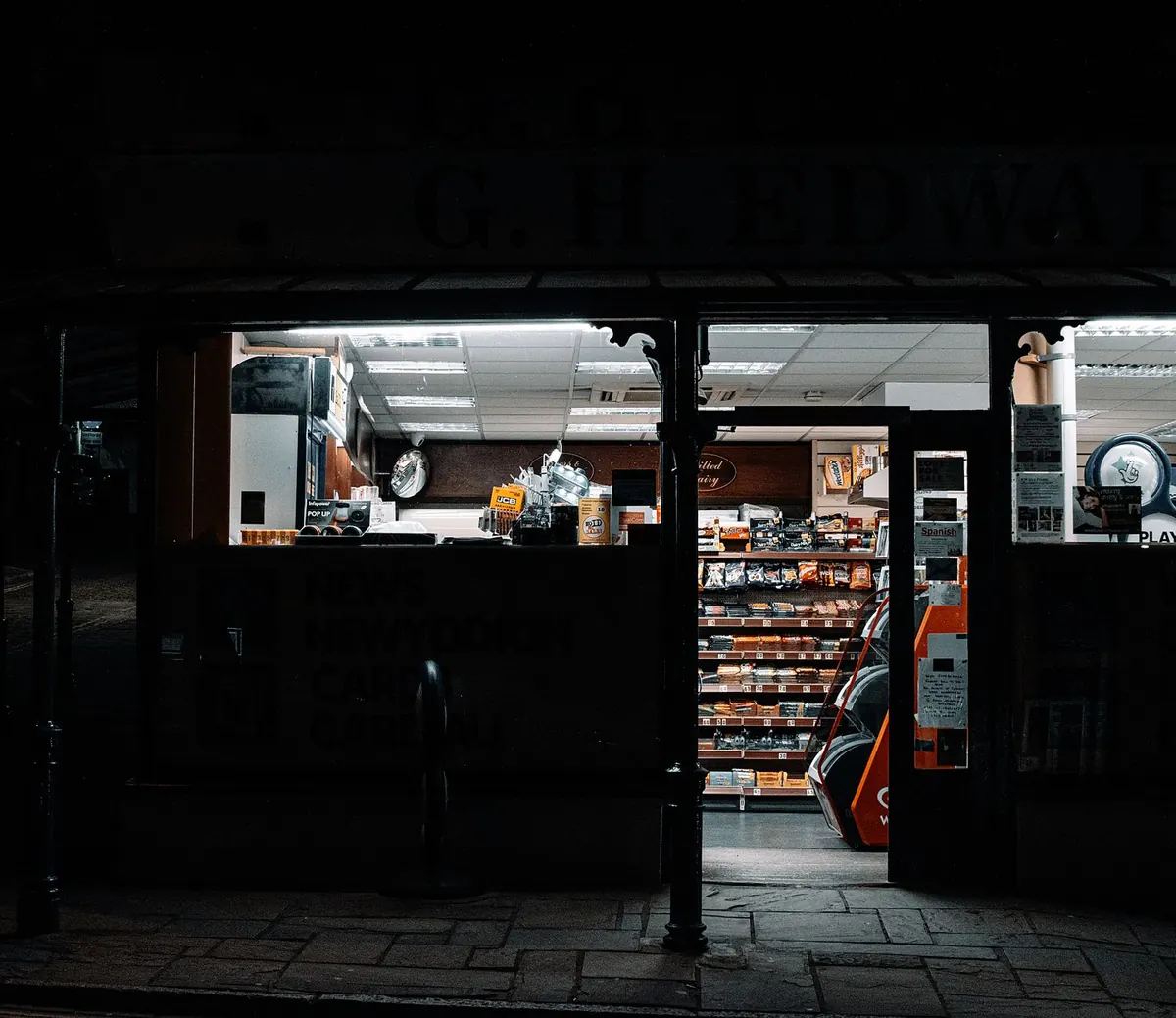
Chain stores are built to move you through quickly: bright aisles, loud signs, a checkout lane stocked with things you didn't come in for. That's fine when you need dish soap on a Tuesday night. It's less fine when you're buying a gift, a repair, or a bag of coffee you actually want to taste.
Independent shops sit in a different economy. Many rent smaller, older spaces, buy in smaller lots, and price for people who come back rather than for strangers passing through. That doesn't guarantee a lower sticker price on every item. It does mean that with a little legwork you'll often pay less for better goods — and the money stays closer to home.
Finding those shops takes a few habits, not a treasure map.
Start with honest expectations. A small hardware store can't beat a warehouse club on a twelve-pack of light bulbs, and it won't try. What it can beat the chain on: advice that stops you buying the wrong part twice, loose screws sold by the piece instead of in packs of forty, sharpening and repair services, and special orders from suppliers the big box doesn't carry.
Chains spread the cost of national advertising, standardized fixtures and regional distribution across thousands of stores. Small shops skip most of that but hold less stock, so they can't clear seasonal inventory with deep discounts. The pattern to remember: chains tend to win on high-volume staples and loss leaders. Independents tend to win on anything that needs explaining, fitting, repairing or choosing.
If a store has a marketing budget, you'll find it without trying. The good ones need a different approach.
Two or three weekends of wandering will give you a list nobody can sell you.
On larger purchases or credit commitments, it's worth running your own numbers or talking to someone you trust with budgeting before you sign anything.
Batteries, cables, snacks and small gadgets near the checkout carry some of the highest margins in the building. Buy those at a hardware store or electronics shop instead.
"Buy two, get one" only saves money if you'd have bought two anyway. Check the single-unit price first.
Chain promotions run on a calendar, so an item at full price this week may be discounted next month. Meanwhile, packages get smaller while the price holds. Comparing this box to the last one you bought is one of the few ways to catch it.
Small-shop owners are usually happy to talk, because talking is why they opened a shop instead of a warehouse. A few questions that pay off:
Don't haggle over a two-dollar item. Do ask about damaged packaging, display models and end-of-season stock. Be clear about your budget, and accept a no without sulking.
You don't have to buy everything locally, and trying to will make you resent it. Pick three categories where a local shop genuinely serves you better — produce, hardware, pet food, gifts, coffee, shoe repair — and make those your defaults. Buy the rest wherever it's cheapest and easiest.
That's the practical version of shopping local: not purity, just better allocation. A neighborhood with a few well-used shops keeps its main street alive, and you get the advice, repairs and odd sizes the chains never stock.
Pick one street you've never walked and spend thirty minutes on it. Note two shops worth returning to. Next time you need something small — a battery, a birthday card, a bag of coffee — buy it there and compare the experience, not just the receipt. If the price is close, the local shop is usually the better deal once you count the advice and the second visit. If it isn't close, say so politely and ask whether they can get closer. Owners would rather hear that than lose you silently.
Photo: Lisa Fotios / Pexels
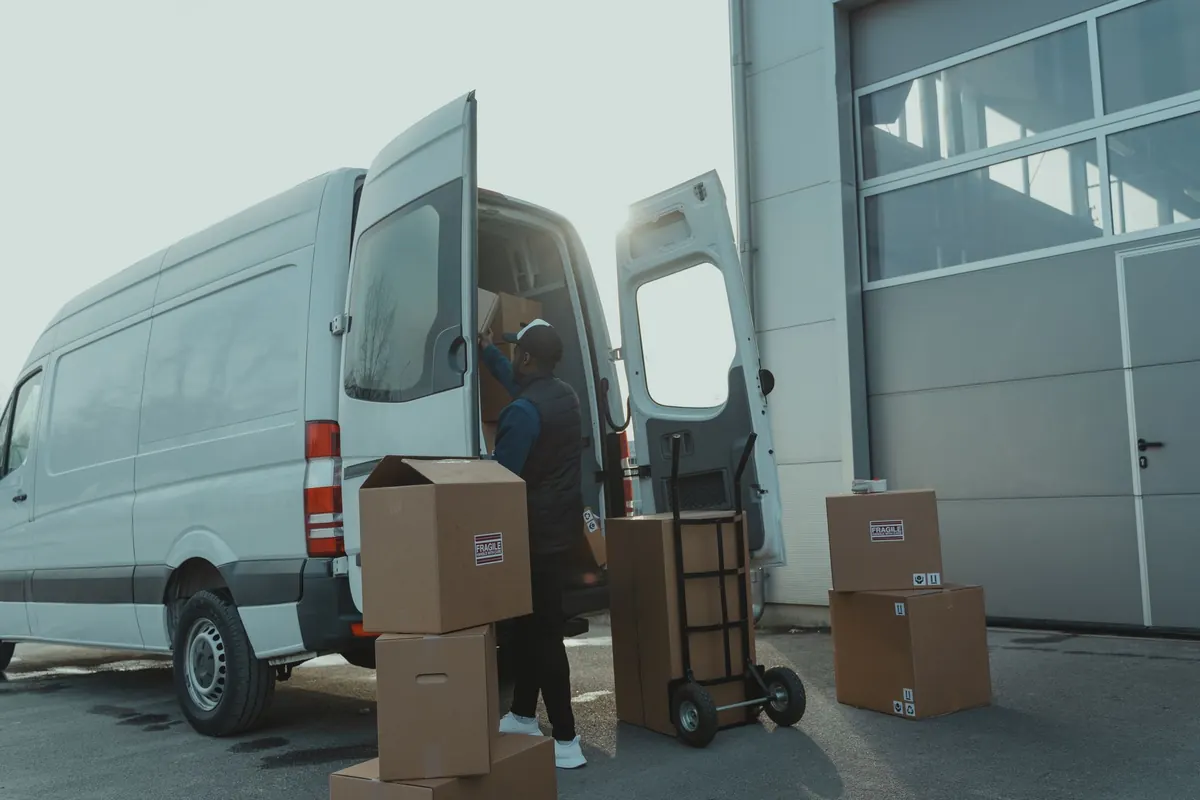
Retailers are remaking aisles, stockrooms, and pickup zones to fulfill same-day orders. Here’s how those changes...

A practical pre-purchase checklist for online furniture shopping, covering measurements, material jargon, delivery...
Copyright © 2026 Retail Dale. All Right Reserved.